

Pope Leo XIV's histology: what it is for and the scenarios outlined by oncologists
The result has not yet been released. From staging to biomarkers, the possible paths: from regular check-ups alone to targeted therapies
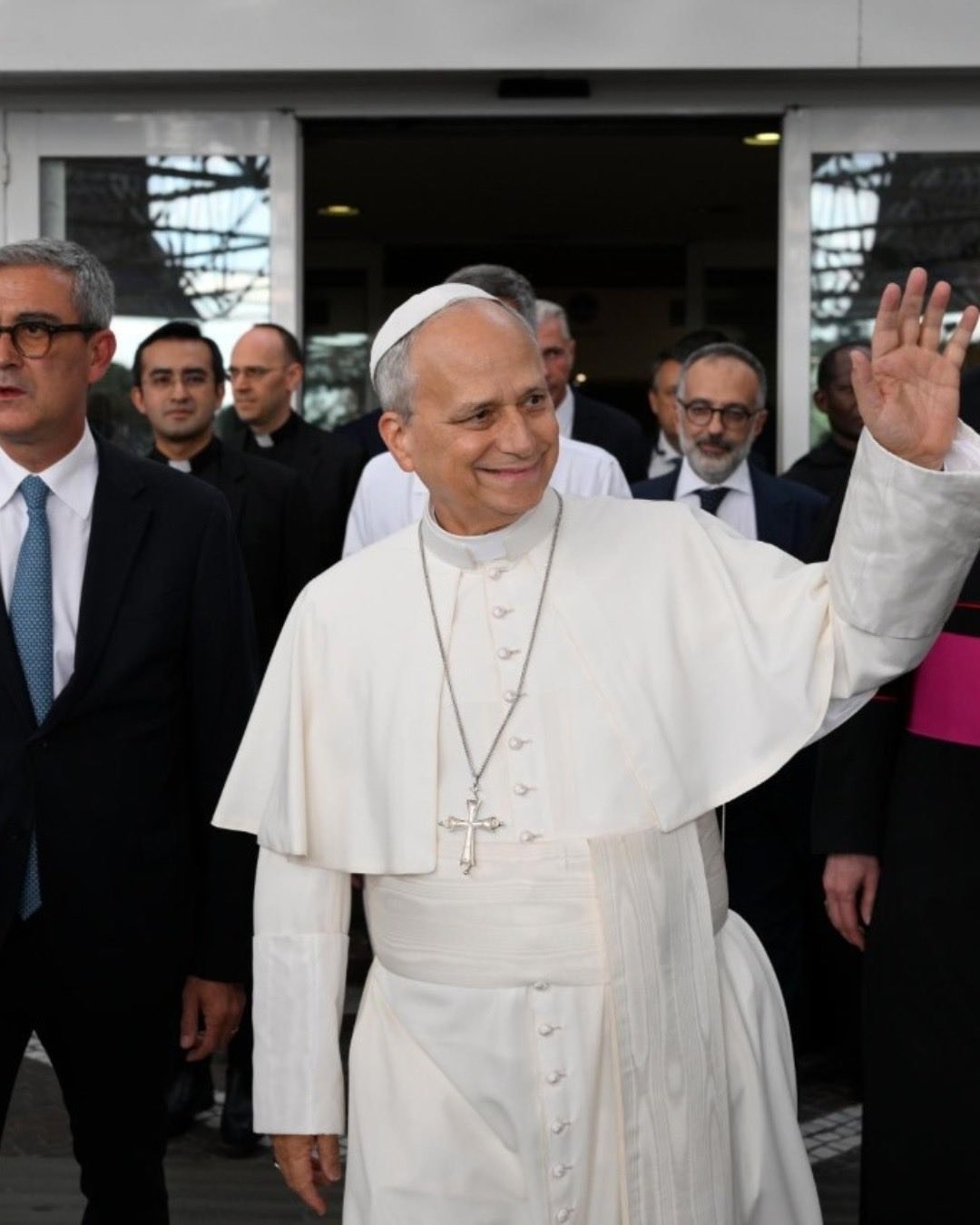
Pope Leo XIV is awaiting the result of the final histology on the tissue removed on 13 October at the Gemelli hospital. The result has not yet been released. Oncologists interviewed by Il Sole 24 Ore and Adnkronos Salute explain what the test is for and what paths it may open: these are general assessments, not clinical data on the Pope.
The official facts. According to the medical bulletin of 13 October, signed by Luigi Carbone and Stefano Margaritora, "to make the operation radical, the lower lobe of the right lung was removed using a video-assisted technique. The intraoperative histological examination confirmed the diagnosis of a pulmonary adenocarcinoma, as suspected from the pre-operative tests." It added: "The operation was successful and there were no complications" (our translation; Holy See Press Office, in Italian). The Pope was discharged on 17 October (Vatican News, in Italian) and continues his convalescence in the Apostolic Palace. The General Audience on Wednesday 21 October in St Peter's Square is "for now confirmed", the Press Office said (our translation; Vatican News, in Italian).
What the histology is for. The full examination covers the nodule removed and the lymph nodes sampled. It determines the staging, that is, the extent of the tumour, and the presence of specific molecular alterations or biomarkers (Il Sole 24 Ore, in Italian). Federico Cappuzzo, director of Medical Oncology 2 at the Regina Elena National Cancer Institute in Rome, told the paper that the test must give the disease a precise "name and surname": the type of tumour, its stage and any spread to the lymph nodes (our translation). Lung cancer is classified from stage 1 to stage 4.
The scenarios. If the adenocarcinoma proves to be confined and caught at an early stage, Il Sole 24 Ore writes, surgery alone could be considered curative, with regular check-ups. If the tumour were at a more advanced stage or showed aggressive features, targeted drug therapies would be considered. "For stage 1, 2 and part of stage 3, medical treatments are usually given before or after surgery," Cappuzzo said; and if genetic alterations are present but the tumour is at an early stage (1a), "there is no indication for drug therapies: surgery and regular check-ups are enough" (our translation).
Serena Ricciardi, a pulmonary oncologist at the San Camillo-Forlanini hospital in Rome, also outlined two scenarios to Adnkronos Salute. "If, as has been said, the nodule was small and confined, with no involvement of the lymph nodes – but we will know from the tests", the follow-up will consist of "check-ups over time" (our translation). If the disease were more extensive, with lymph node involvement, PD-L1 expression testing and any mutations would guide a decision on adjuvant therapy to reduce the risk of relapse. According to Ricciardi, the histology "takes time, 10-20 days" (our translation; Adnkronos, in Italian).
The Latin America trip. On 17 October Margaritora told Vatican News: "I would say there are no clinical reasons why this trip should not take place" (our translation; Vatican News, in Italian). This is a medical assessment: the Holy See has not yet officially confirmed the trip to Uruguay, Argentina and Peru. Our earlier report: Pope Leo XIV's surgeon.
The family. The Pope's brother, Louis Prevost, interviewed by Fox News, said he speaks to him every day. According to Vida Nueva: «No esperamos ninguna mala noticia» ("We are not expecting any bad news", our translation) (Vida Nueva, in Spanish).
What we don't know. The result of the final histology, the stage of the disease and any therapies have not been released. The oncologists quoted describe general pathways and do not rely on any clinical data on the Pope beyond what the Press Office has made public.
Sources: Holy See Press Office, bulletin of 13 October; Il Sole 24 Ore; Adnkronos; Vatican News; Vatican News, Margaritora; Vida Nueva.
#LeoXIV #Vatican
Source: Sala Stampa della Santa Sede / Il Sole 24 Ore