

Awaiting the histology: what we know and what we do not
Tissue, lymph nodes, molecular profile: how the test works, what the bulletins say and what the press reports
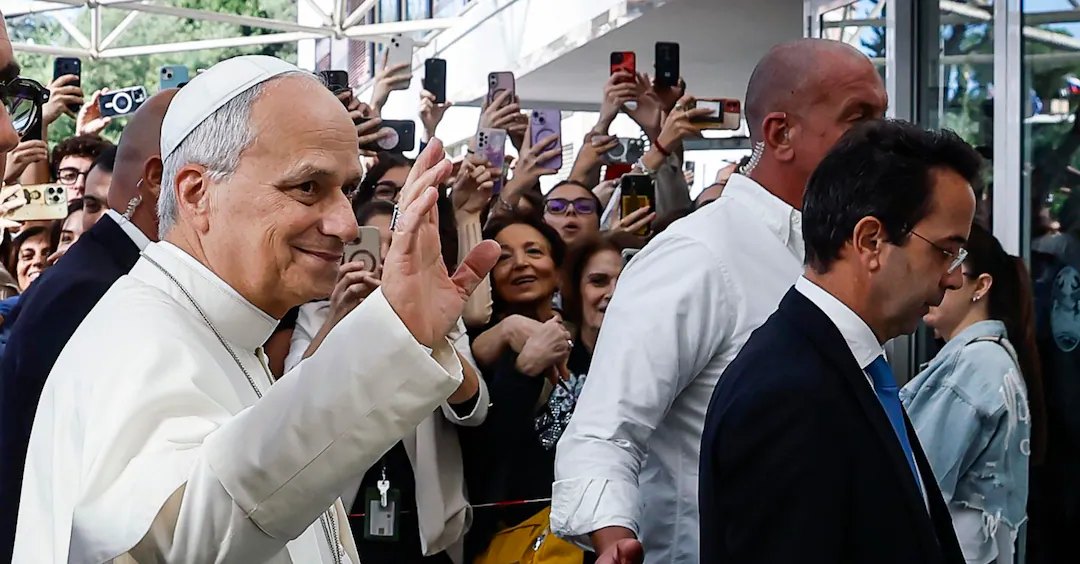
Three days after surgery at the Gemelli hospital, attention turns to a test that is unseen but matters: the final histology. Here is what the official sources say, what this test generally involves and what the press is reporting.
What is official. On 13 October the Holy See Press Office released the bulletin signed by Dr Luigi Carbone and Prof. Stefano Margaritora: "To make the operation radical, the lower lobe of the right lung was removed using a video-assisted technique. The intraoperative histological examination confirmed the diagnosis of a pulmonary adenocarcinoma, as suspected from the pre-operative tests" (our translation). The operation, lasting about 90 minutes, "was successful and there were no complications" (bulletin). On 15 October the doctors reported a "good recovery of the operated lung" and a post-operative course that "is proceeding regularly". The bulletins have so far said nothing about the outcome of the final histology.
Histology, in general. What follows is general medical information and does not concern the Pope's clinical situation.
- The intraoperative exam. During surgery a fragment of tissue is frozen and analysed within minutes to guide the surgeon. This is what the 13 October bulletin calls the intraoperative histological examination.
- The final histology. The removed tissue is fixed, embedded in paraffin and studied under the microscope with stains and, where needed, immunohistochemistry, to define tumour type, size and margins.
- The lymph nodes. Lymph nodes removed during surgery are examined one by one: whether any are involved is decisive for staging and for deciding whether further treatment is needed.
- The molecular profile. For lung adenocarcinoma, international guidelines recommend testing for alterations such as EGFR and ALK, as well as PD-L1 expression, often with next-generation sequencing (NGS), because they guide possible targeted therapies.
- Timing. Immunohistochemistry usually takes a few days; for molecular tests the CAP/IASLC/AMP guidelines call for results within about 10 working days of the sample reaching the laboratory, while broader panels can take weeks (CAP/IASLC/AMP; American Cancer Society, Cancer 2023).
Indiscretions (press reports, not official).
- According to Il Messaggero, the Pope is awaiting results on the tissue, lymph nodes and molecular profile: full results will take at least ten days, but a first part could arrive between this weekend and early next week.
- Oncologist Francesco Schittulli, who is not part of the Pope's medical team, told Informazione Cattolica: "The Pope's athletic build will help his recovery."
- Oncologist Saverio Cinieri, former president of AIOM and likewise outside the team, told LaPresse on 14 October that "any involvement of the lymph nodes" will now make the difference in the treatment path. On travel, speaking generally, he said air travel is inadvisable within "20 days to a month", adding that "the decision is up to Pope Leo" (LaPresse; our translation). The apostolic journey to Uruguay, Argentina and Peru is scheduled for 6-17 November.
What we do not know. We do not know when the final results will arrive, or whether and how they will be communicated. We do not know the stage, the lymph node findings or the molecular profile. We do not know whether treatment will be needed after surgery, nor the date of discharge. On the November journey, Cardinal Parolin has said it will be decided according to the Pope's recovery and the doctors' opinion.
In these hours the Church waits in trust and prays. Vatican Report will report only what is communicated by official sources, always distinguishing it from press indiscretions.